
28 Sep 2026
How to Maximize Your Focus at Work and School When You Have ADHD
Sitting down to work on a report or study for an exam sounds simple enough. For someone with ADHD, though, it can feel like trying to read a book […]

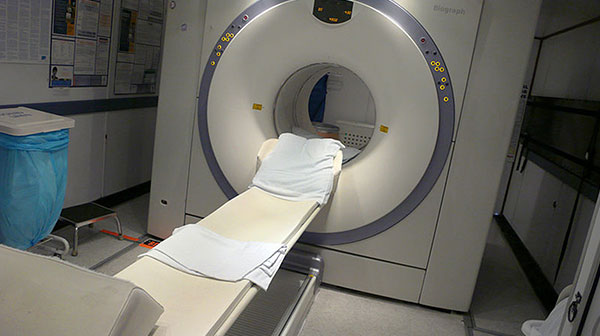
A typical MRI Machine: It is a non- invasive method which uses a powerful magnetic field and radio frequency impulses. A computer is used to produce detailed images of internal structures like bones, soft tissue, organs, etc.
Magnetic Resonance Imaging scan of the brain reveals the structure of the brain and distribution of various tissues in the brain. Therefore, it can spot any structural abnormality including brain malformations, non-formation of any of the brains parts, presence of tumors, abnormal accumulation of the fluid in the brain etc.
Your child may be required to be fasting before the test, therefore consult your doctor for the same. Your child may be sedated during the test to avoid any body movements as the movements interfere with the quality of imaging. Sedation is process of administering special medicines that make him/her fall asleep. The test is conducted in the magnetic field and therefore make sure that your child is wearing no objects or clothes containing metal. If there are any metallic implants in the body, consult with your doctor for the same.
Once the child is sedated he / she will be taken in the special room where for scanning. You may or may not be allowed to accompany the child. It may take up- to 30 – 45 mins for the scanning. The test is not painful and there are no side effects.
Care should be taken when the effect of sedation is wearing off. There are no special instructions to be followed once the child is awake.
The results will be given to you in two forms, first a print of the films and a CD containing the entire MRI study and second an interpretation and report by a radiologist after having analyzed the study. In most of the cases of Autism the MRI of the brain may be near normal. Therefore you may be advised to do functional neuroimaging
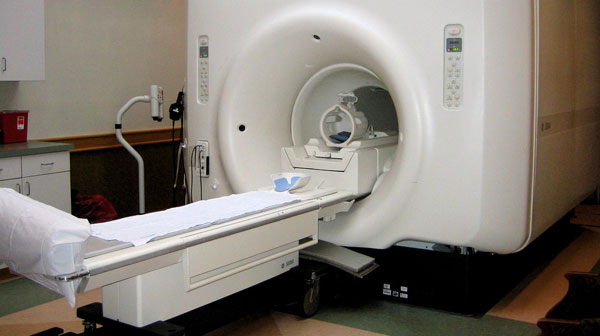
PET-CT Scan: This is a nuclear imaging technique which reveals both structural and functional details of cells and tissues, in a single imaging session.
Positron Emission Tomography – Computed Tomography (PET-CT) scan is a technique of functional imaging of the brain. PET-CT scan is performed by injecting radioactive dye intravenous and then the amount of dye absorbed by the brain tissue is recorded. The radioactive dye is similar to glucose in its composition and hence is readily absorbed by the brain cells.
Your child may be required to be fasting before the test, therefore consult your doctor for the same. Your child may be sedated during the test to avoid any body movements and any brain stimulation as it may interfere with the results of the study. The test is conducted in the magnetic field and therefore make sure that your child is wearing no objects or clothes containing metal. If there are any metallic implants in the body, consult with your doctor for the same.
Your child may be required to be fasting before the test, therefore consult your doctor for the same. Your child may be sedated during the test to avoid any body movements and any brain stimulation as it may interfere with the results of the study. The test is conducted in the magnetic field and therefore make sure that your child is wearing no objects or clothes containing metal. If there are any metallic implants in the body, consult with your doctor for the same.
Care should be taken when the effect of sedation is wearing off. There are no special instructions to be followed once the child is awake.
A radioactive dye will be injected intravenous approximately 45 minutes before the test. The duration of this may vary. Once the child is sedated he / she will be taken in the special room where for scanning. You may or may not be allowed to accompany the child. It may take up-to 30 mins for the scanning. The test is not painful and there are no side effects.
In children with Autism it is seen that there is a delay in speech or failure to respond to name-call. It is then that your doctor may recommend a BERA test to rule out any hearing problems. BERA is an objective method of picking up brain stem (part that connects brain and spine) potentials in response to audiological click sounds. These waves are recorded by electrodes placed over the scalp. This test helps in ruling out hearing deficits.
Care should be taken when the effect of sedation is wearing off. There are no special instructions to be followed once the child is awake.
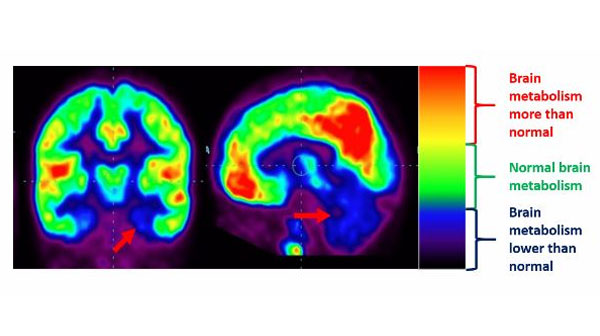
The results will be given to you in two forms, first a print of the films and a CD containing the entire PET-CT study and second an interpretation and report by a nuclear medicine expert after having analyzed the study. This study will show the areas of the brain that are functioning lower than normal (hypofunctioning) as well as more than normal function (hyperfunctioning).
Research has implied that there could be problems related to the functioning of the temporal lobes of the brain, including hippocampus and amygdala. These areas are responsible for organizing sensory input, auditory perception, language and speech production, memory association formation and emotional expression etc. These co-relate to the kind of issues seen in Autism. Another area, which appears to be affected, is the cerebellum, which is important for information processing, balance and coordination.
Approximately 30% of ASD patients without clinical seizures are found to have epileptiform abnormalities in the brain. Epilepsy can be associated with Autism in early childhood and adolescent years. An EEG is a test that records the electrical activity of the brain using sensors across many different areas on the scalp. Depending upon the EEG report your child’s neurologist may/may not prescribe medicines for prevention of seizures.
Find lots of insights and information on our blog
28 Sep 2026
Sitting down to work on a report or study for an exam sounds simple enough. For someone with ADHD, though, it can feel like trying to read a book […]
09 Sep 2026
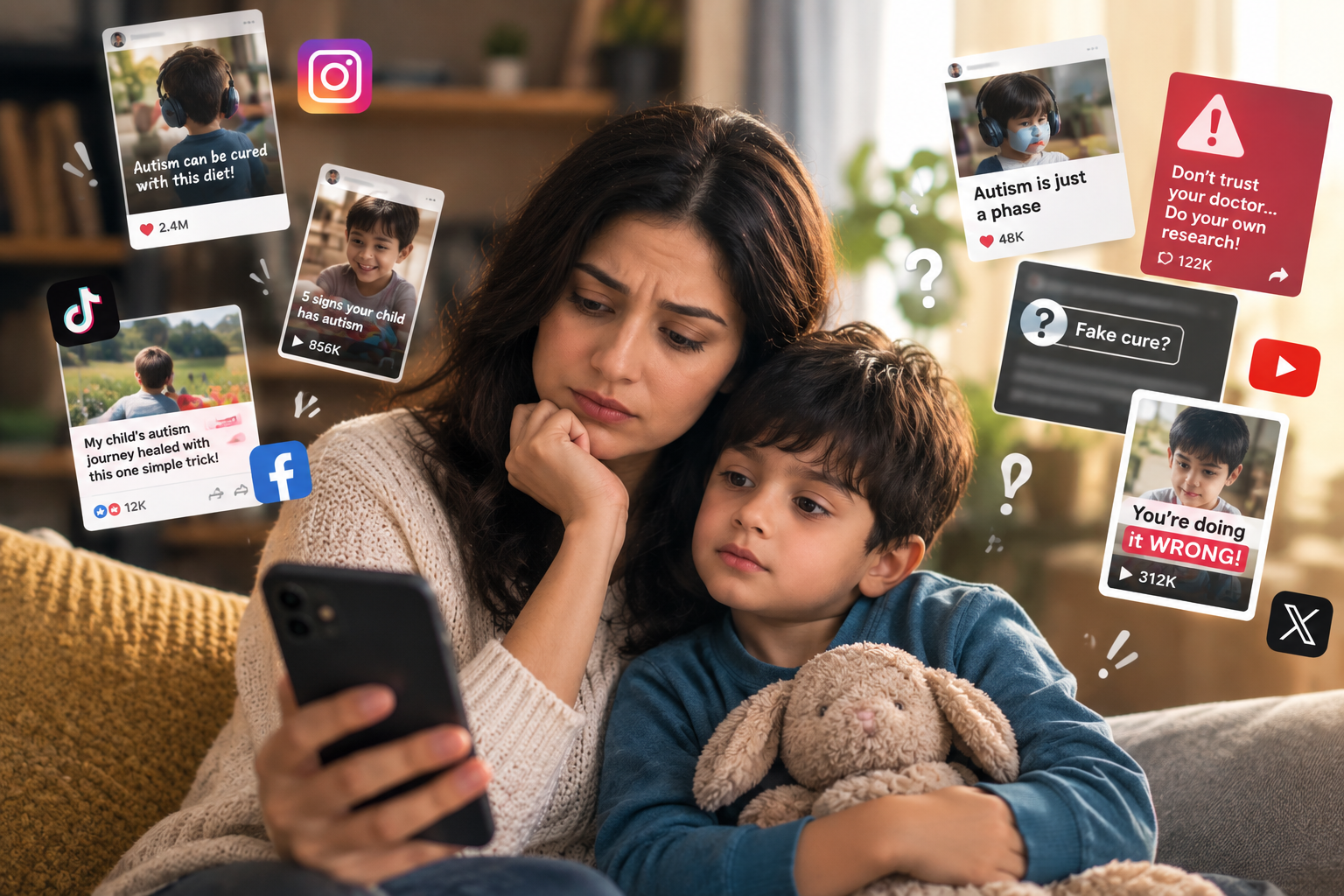
A few years ago, parents seeking answers about autism had to rely on doctors, therapists, books, and support groups. Today, information is available within seconds. A quick scroll through Instagram, […]

27 Aug 2026
For most of my life, I knew I was different. I just didn’t know there was a name for the difference. I learned how to function by watching other people. […]

25 Aug 2026
For many parents, bedtime does not always mean the end of the day. Sometimes, it means another few hours of negotiating, waiting, comforting, answering questions, managing screens, dealing with […]

04 Aug 2026
When Your Autistic Teen Says, “I Have No Friends”: A Parent’s Guide to Building Real Connections Teenage years can be socially difficult for many young people. Autism and friendships during […]
22 Jul 2026
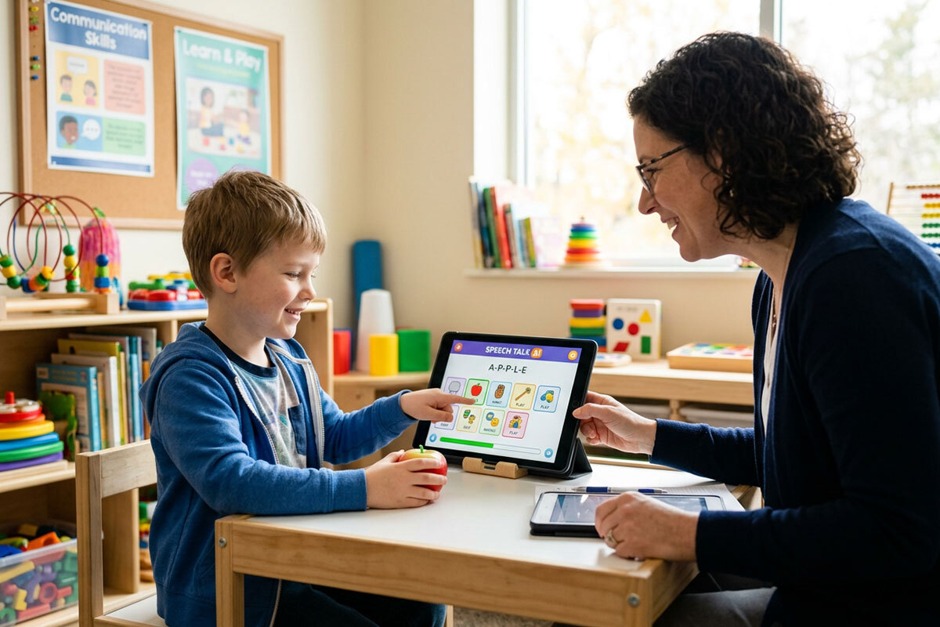
Communication doesn’t look the same for every single child. For many kids on the autism spectrum, turning thoughts into spoken words can feel like climbing a steep mountain. Some children […]